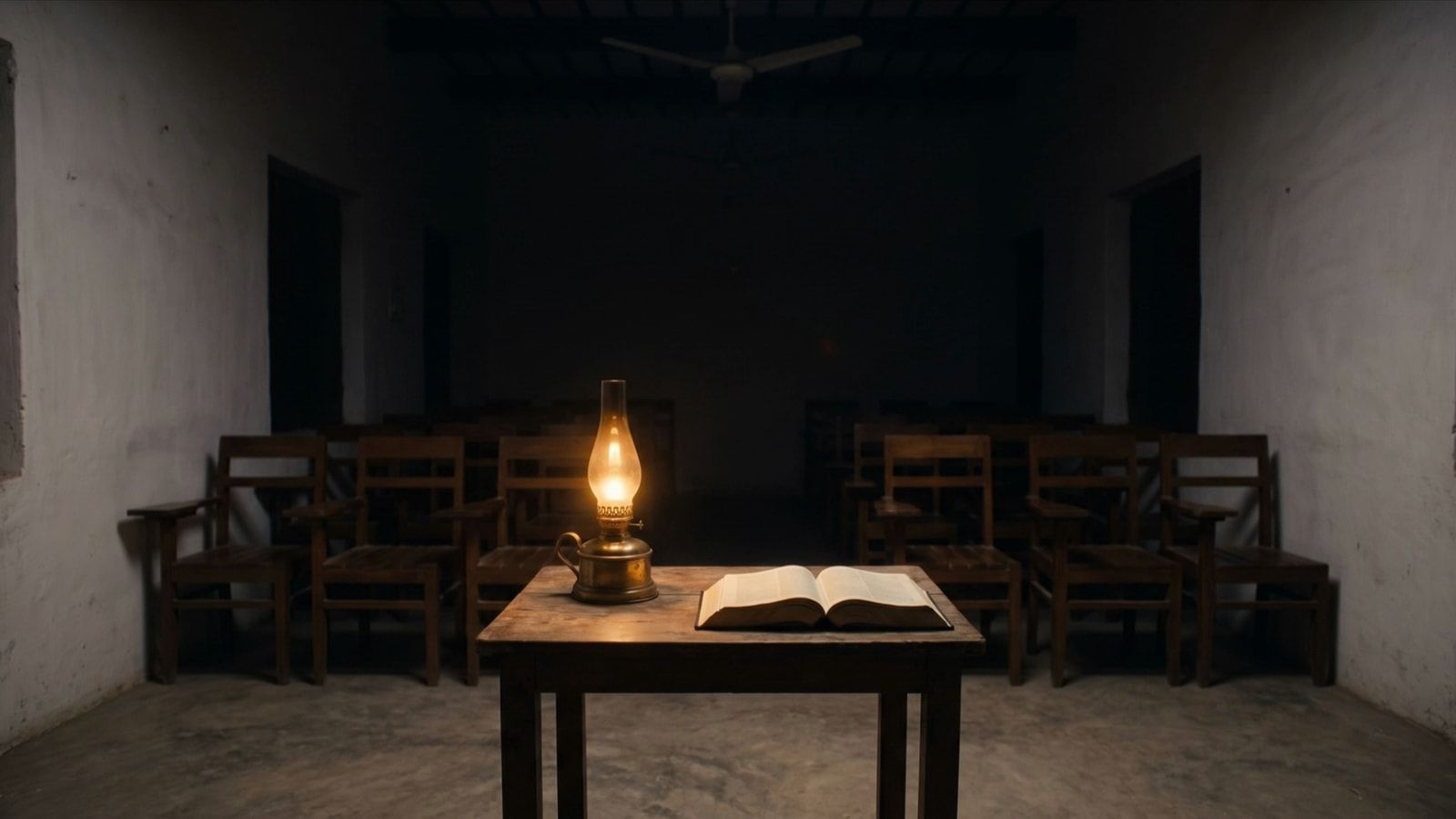
The Discipleship School — Karachi, in development
Ask the Lord of the harvest to send out workers into his harvest field.
Matthew 9:38
Everyone who is fully trained will be like their teacher.
Luke 6:40
Training the people who will train the next.
A year of study, formation and supervised practice, for believers who are ready to be trusted with other people's growth.
The need
The hunger is there. The training is not, yet.
Discipleship here is one believer with one new Christian, week after week. It works. It is also the reason we are stuck: we can only disciple as many people as we have mature believers with time to give.
We do not want to overstate what is happening here: what we are seeing is a hunger, especially among men, who have told us plainly that they want their lives to change. Many of them are struggling with addiction. They have asked for help, and a school is how we intend to give it: a place where that desire can be trained into something that lasts.
A school does not replace the one-to-one work. It multiplies the people who can do it — training a group properly, at once, rather than one at a time over years we do not have.
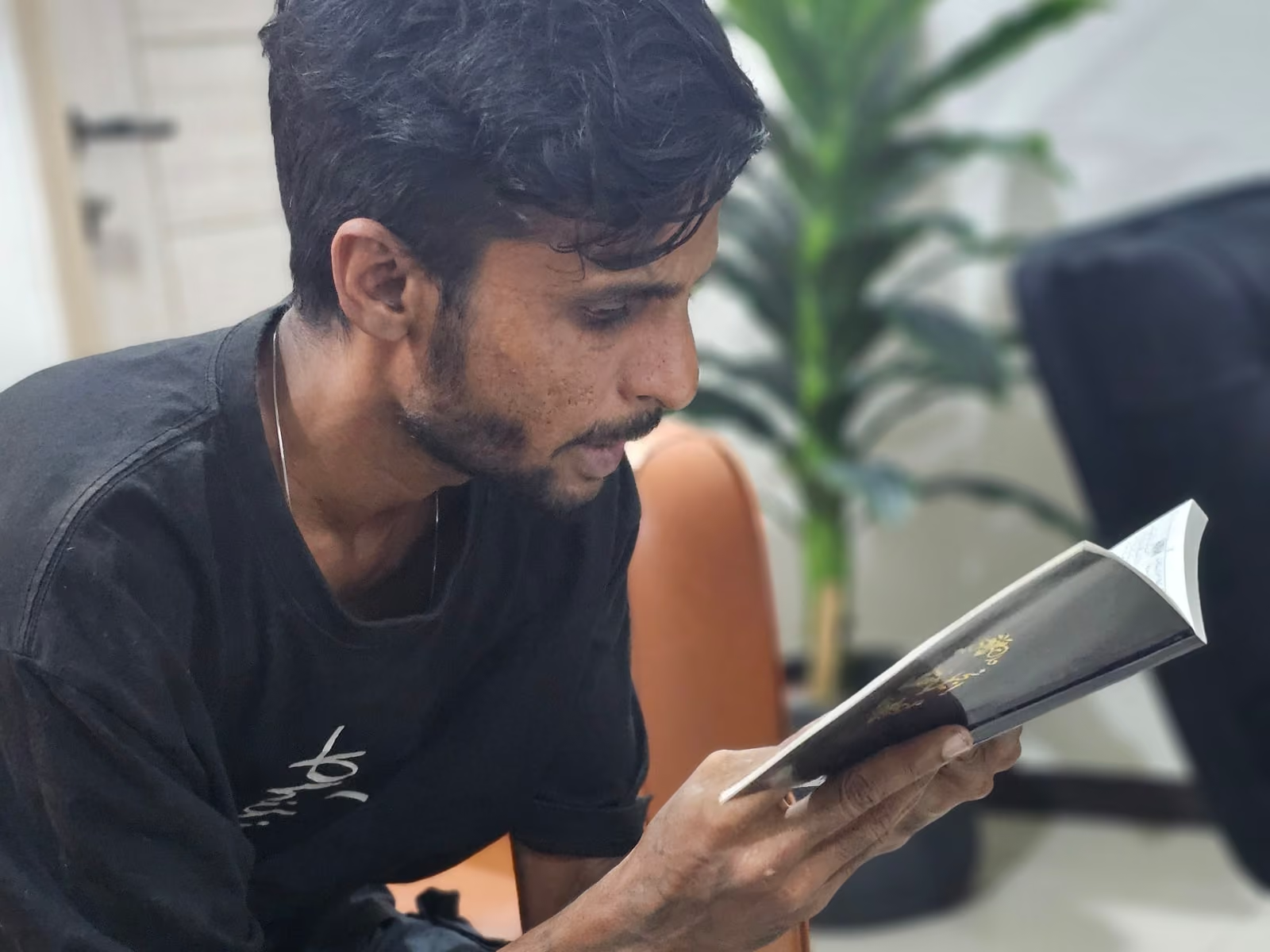
The vision
What a graduate looks like.
- Someone who knows their Bible well enough to teach it to a person who cannot read it for themselves.
- Someone whose character has been examined, not only their doctrine — because here a teacher's life is scrutinised long before their theology is.
- Someone who can sit with a person in grief, in doubt or in fear without reaching for a slogan.
- Someone who is already discipling two or three people by the time they finish, and who intends to keep doing it for the rest of their life.
What students will study
Six subjects, one year.
Taught primarily in Urdu, and prepared for a room where reading levels vary a great deal.
Scripture
The story of God from Genesis to Revelation: an overview of the whole Bible, how its parts fit together, and how to teach it to somebody who cannot read it for themselves.
Doctrine
The core convictions of the Christian faith, and why each one matters in practice rather than only on paper.
Spiritual formation
Prayer, repentance, honesty, accountability. Character is examined here as carefully as knowledge is.
Evangelism and apologetics
How to speak about Christ clearly and kindly in this context, and how to answer the questions that actually get asked here.
Discipleship practicum
Every student disciples someone throughout the year, under supervision, and is held to it. Nobody graduates having only learned in a classroom.
Service
Practical work alongside the home fellowships and outreach teams, because ministry is learned by doing it badly at first and being corrected.
Where we are
What still has to happen.
We would rather open late and properly than open early and thinly, so we are not fixing a date we cannot yet keep.
Phase one — Complete
Vision and curriculum
The shape of the year, the subjects, and the standard a graduate is held to. This part is settled.
Phase two — In progress
Premises
A room in Karachi that can hold a cohort safely and without drawing attention. This is the piece we are working hardest on.
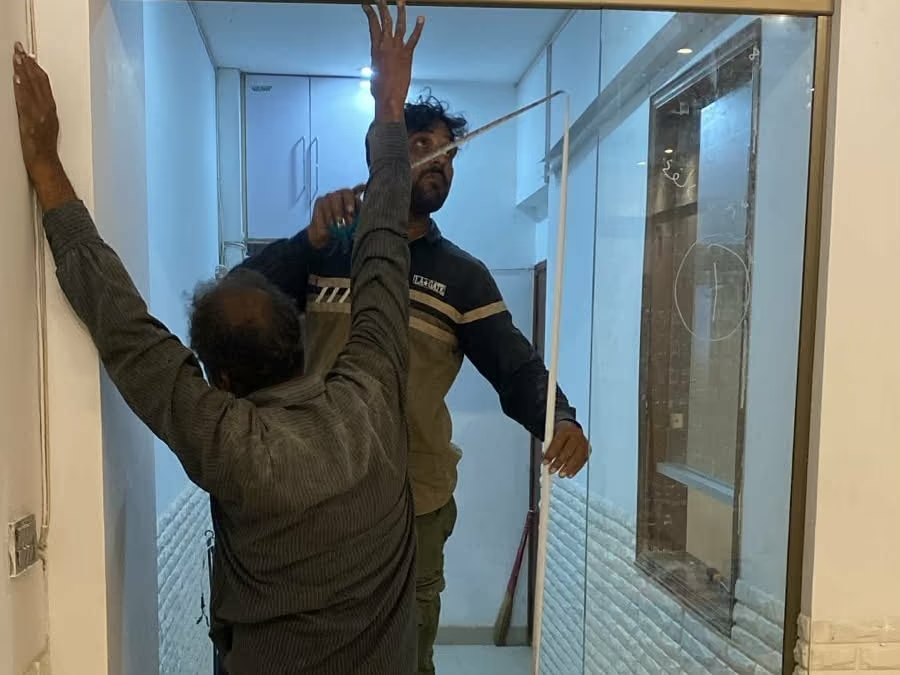
The premises, in progress. Glass doors going in. Phase three — In progress
Funding
Committed monthly partners, so that students pay nothing. Most of the believers we hope to train support families on daily wages.
Phase four — Not started
First cohort
A small intake. We would far rather train eight people properly than thirty thinly.
Phase five — Not started
Sending
Graduates return to their own fellowships as teachers and disciple-makers, and the next intake begins.
How, then, can they call on the one they have not believed in? And how can they believe in the one of whom they have not heard? And how can they hear without someone preaching to them?
How to help make it happen
Two things open the doors.
A room in Karachi, and partners committed monthly so that students pay nothing. Both conversations can start with an email.
Questions
What people ask us.
Who is the school for?
Believers in Pakistan who are already walking with Christ and are ready to be trained to teach and disciple others. We are not looking for the most educated applicants but for the most faithful ones — people their own fellowship would already point to.
When will the first cohort begin?
We are working towards a first intake once premises and funding are secured. We would rather open late and properly than open early and thinly, so we are not fixing a date we cannot yet keep.
How long is the programme?
The plan is a single concentrated year: study and formation alongside a supervised discipleship practicum, so that nobody graduates having only learned in a classroom.
Is there a cost to students?
We intend to keep the cost to students at or near nothing. Most of the believers we hope to train support families on daily wages, and a fee would exclude exactly the people the school exists for. That is what partnership pays for.
What language is the teaching in?
Primarily Urdu, with some English. Reading levels vary a great deal among our people, so teaching is spoken and repeated as much as it is written, and materials are prepared with that in mind.
Can partners from overseas come and teach?
In some cases, yes, and we would welcome the conversation. Visits need planning well ahead and have to be handled with care for the sake of the people here. Write to us and we will talk it through honestly.
How can I help before it opens?
Pray, and tell others. Beyond that, the two things that will open the doors are committed monthly partners and help securing premises. Both conversations can start with an email.